

Storage with backup power and low-interruption transfer
Many customers believe that every battery storage system automatically provides emergency power. That is not true. Backup power requires transfer, grid disconnection, protection systems, defined loads and a suitable operating strategy.
Many customers believe that every battery storage system automatically provides emergency power. That is not true. Backup power requires transfer, grid disconnection, protection systems, defined loads and a suitable operating strategy.
The starting problem
During a grid outage, critical loads should keep running: IT, gates, refrigeration, controls, ventilation, milking systems or security systems. Without proper planning this does not work reliably.
How a storage system can help
A storage system with an STS can transfer defined loads to backup power very quickly. In the OmniCube A215 the STS is integrated and the transfer time is under 20 ms. Even so, loads, inrush currents, grid disconnection and the protection concept must be verified.
Key planning factors
- critical loads
- simultaneous power
- inrush currents
- desired bridging time
- transfer time
- grid disconnection
- PV recharging
- black start
- generator/UPS
Matching Speichercampus products
The OmniCube A215 as the featured product for defined backup circuits; the PotisCabinet for complex PV-storage-generator systems; container solutions for larger backup power projects.
Frequently asked questions
Does every battery storage system automatically provide backup power?
No, that is not true. Backup power requires transfer, grid disconnection, protection systems, defined loads and a suitable operating strategy. Backup power must never be promised across the board.
How does the transfer to backup power work?
A storage system with an STS can transfer defined loads to backup power very quickly. Even so, loads, inrush currents, grid disconnection and the protection concept must be verified.
Does an STS replace a UPS?
No, an STS does not replace a UPS — particularly sensitive loads need their own protection.
Which loads keep running during a grid outage?
Which loads keep running depends on inrush currents, grid disconnection and the protection concept. Without proper planning this does not work reliably.
Which factors belong in backup power planning?
Critical loads, simultaneous power, inrush currents, the desired bridging time, transfer time, grid disconnection, PV recharging, black start, and generator or UPS.
Matching products
-
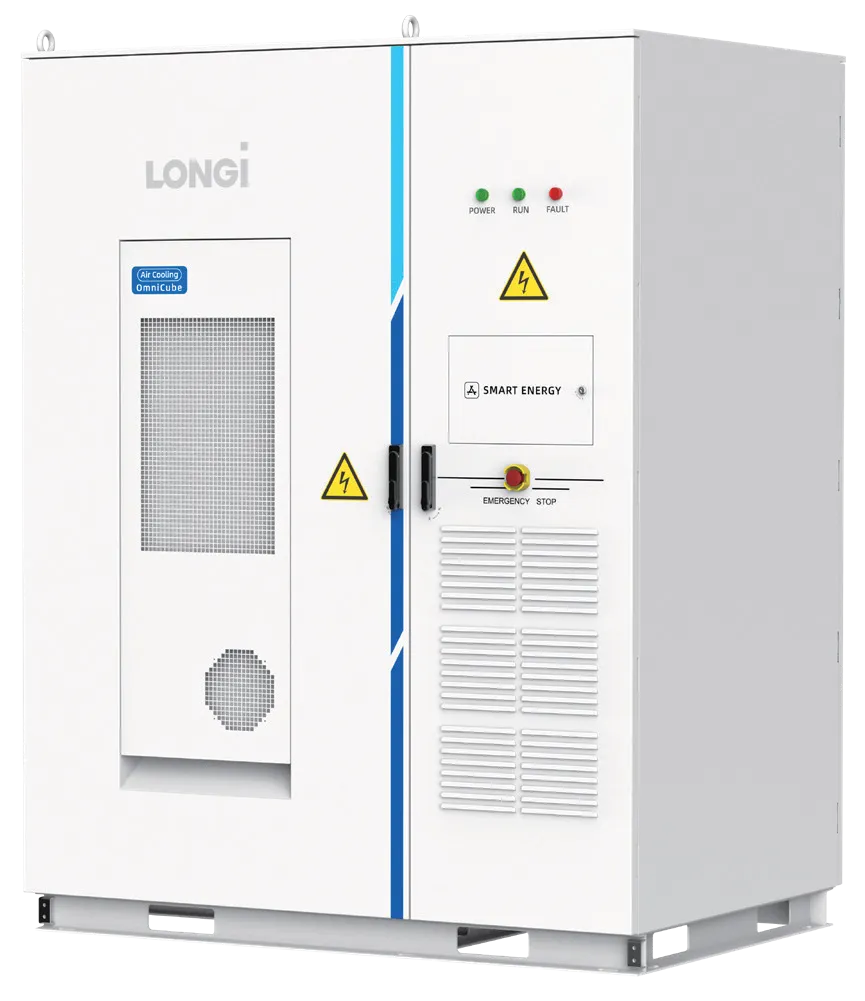 LONGi LONGi OmniCube A215
 Integrated DC flexibility system for commerce and industry: 215 kWh, 105 kW, optional STS for grid/island operation and direct PV connection via MPPT.
215 kWh · 105 kW
-
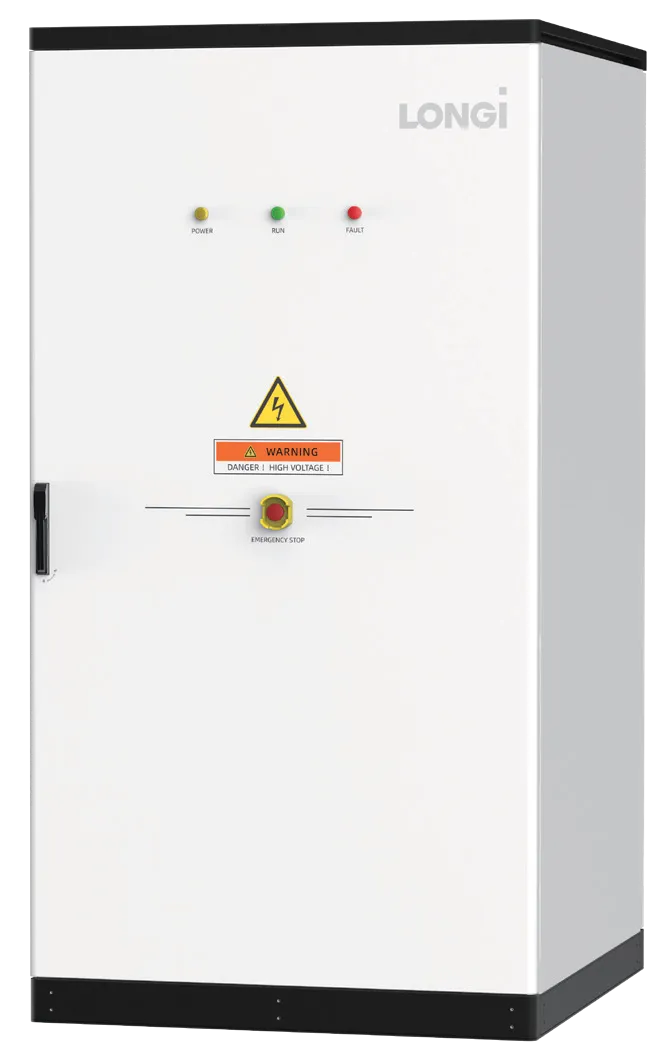 LONGi LONGi PotisCabinet D9
 Multifunctional AC control cabinet: combines EMS, power distribution and connection technology for up to five parallel storage cabinets, with diesel and PV integration in island mode.
–
-
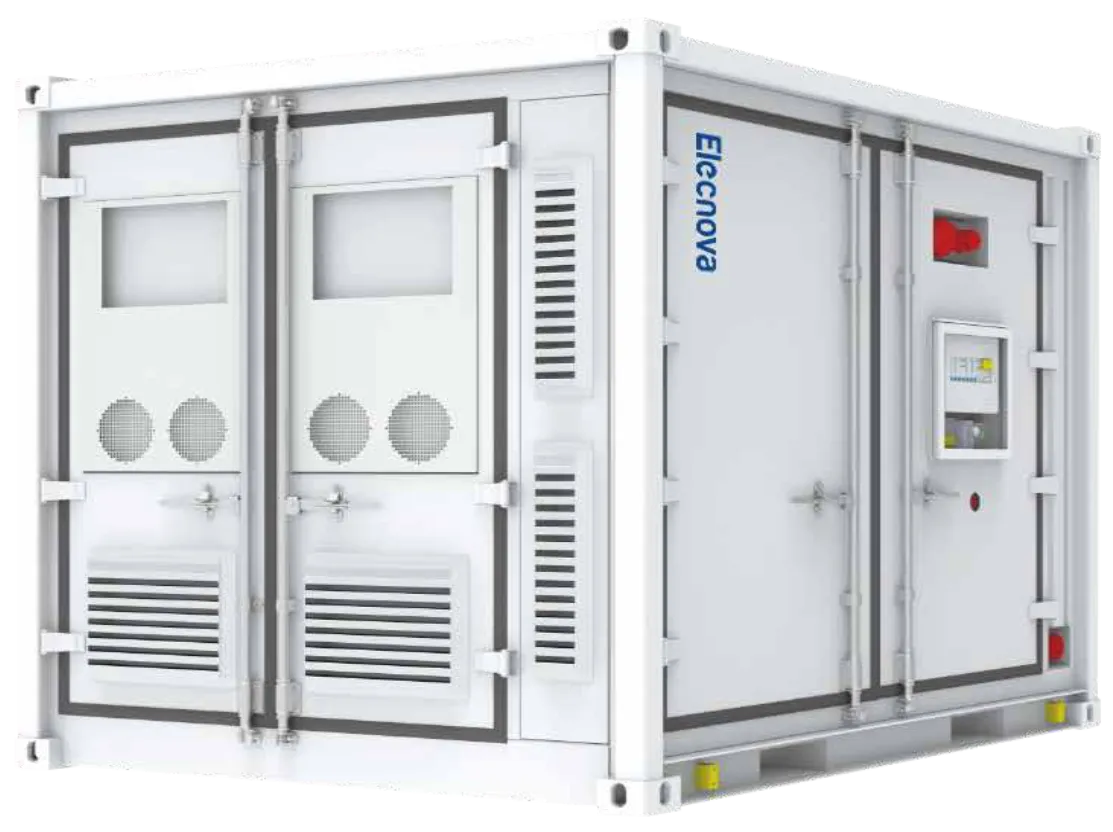 Elecnova Elecnova ECO-E10FT1044LP-2
 Highly integrated 10 ft storage container with integrated STS: 1,044 kWh, 500 kW, seamless on/off-grid transfer in under 20 ms, interfaces for diesel and PV.
1.04 MWh · 500 kW