

Air cooling vs. liquid cooling
Liquid cooling is not automatically better: it shines under high continuous load and energy density, while air cooling is more robust, simpler and more economical for many commercial applications.
What this is about
Cooling determines how stable cell temperatures stay in operation — and with that, the system’s lifetime, continuous power and safety margins. Both concepts are proven; they simply solve different problems.
Air cooling
With air cooling, fans remove heat via the air stream. The system is mechanically simple: no coolant, no pumps, no refrigeration circuit. Maintenance and auxiliary consumption stay low. At moderate cycle counts and typical commercial load profiles — say, PV self-consumption with one full cycle per day — air cooling works reliably and economically. The OmniCube A215 deliberately uses this robust concept (IP54).
Liquid cooling
Liquid-cooled systems such as the OmniCube L233 or the Elecnova E261LP remove heat via a cooling medium directly at the cell packs. That keeps the temperature spread between cells typically below 3 °C — important at high continuous power, high C-rates, tight installation spaces and hot sites. The price: more system technology, higher auxiliary consumption and more demanding maintenance.
Comparison criteria
| Criterion | Air cooling | Liquid cooling |
|---|---|---|
| Cell temperature spread | larger, load-dependent | typically below 3 °C |
| Continuous power / high C-rate | limited | the concept’s strength |
| System complexity | low (fans) | higher (pumps, cooling circuit) |
| Auxiliary consumption | low | higher |
| Maintenance | simple | more involved |
| Typical application | PV self-consumption, moderate cycles | high cycle counts, industry, dense siting |
The Speichercampus verdict
Liquid cooling is not automatically better. It is strong under high continuous load and energy density. Air cooling is robust, simple and often economical for suitable commercial applications. The load profile decides — not the buzzword.
Next step
Send us your load profile, electricity bill, PV data and project goal. Speichercampus assesses which storage capacity, power and product class make sense.
Button: Get your storage project reviewed
Matching products
-
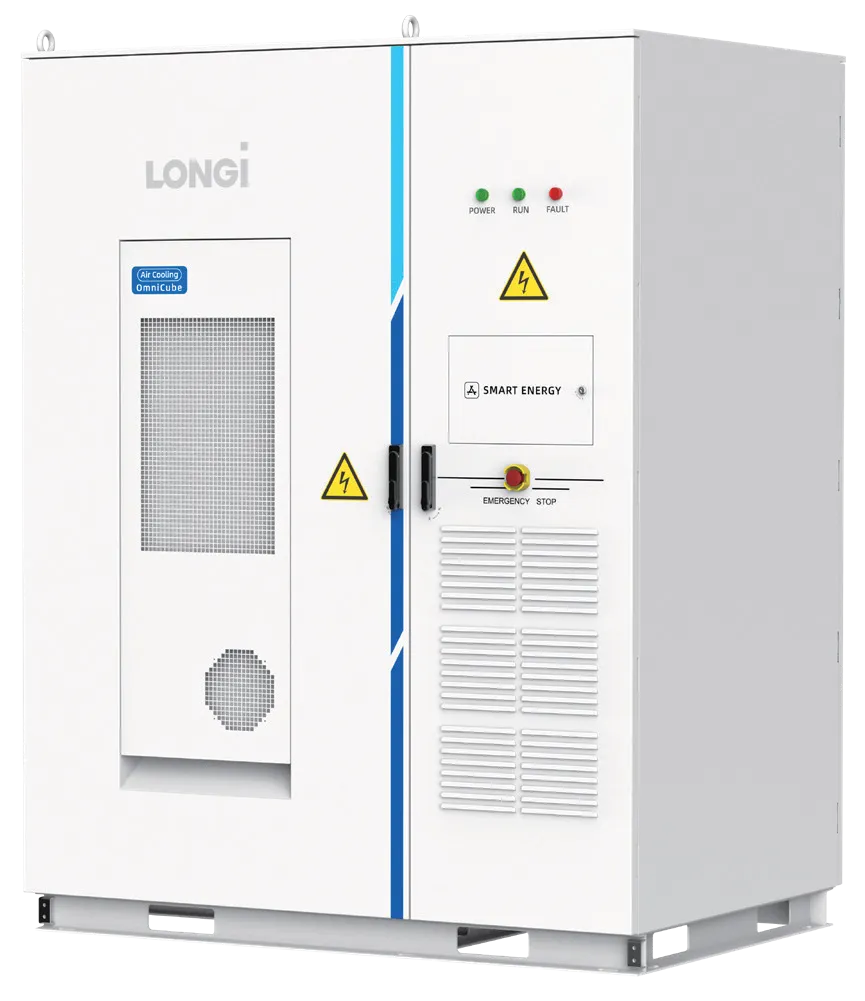 LONGi LONGi OmniCube A215
 Integrated DC flexibility system for commerce and industry: 215 kWh, 105 kW, optional STS for grid/island operation and direct PV connection via MPPT.
215 kWh · 105 kW
-
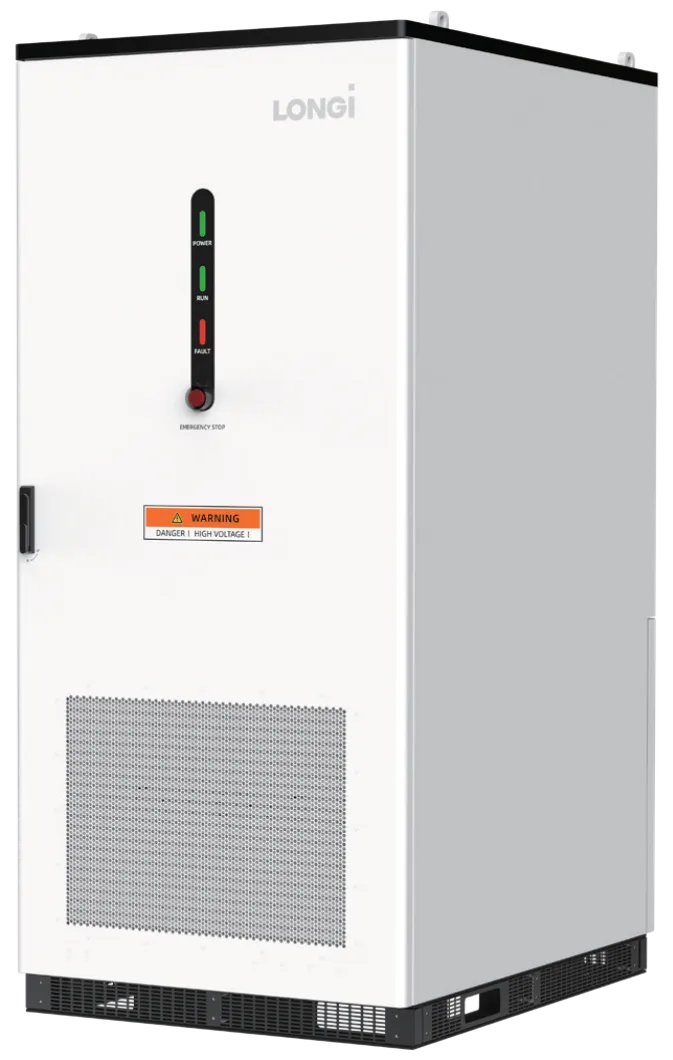 LONGi LONGi OmniCube L233
 Liquid-cooled energy storage system for commerce and industry: 233 kWh, 125 kW, modularly expandable in parallel (up to 5 units).
233 kWh · 125 kW
-
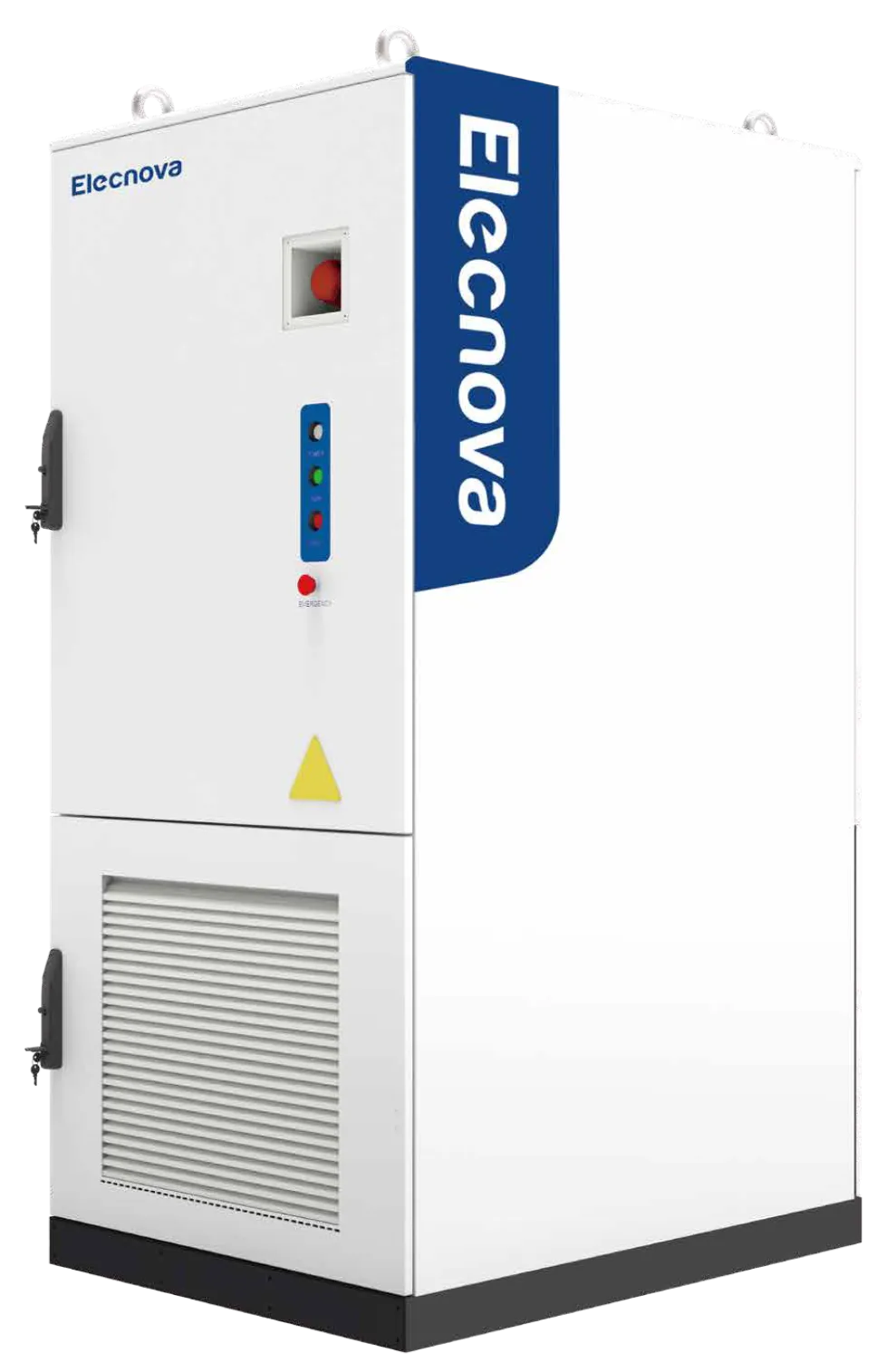 Elecnova Elecnova ECO-E261LP-2A
 All-in-one liquid-cooled storage cabinet: 261 kWh, 125 kW on a 1.4 m² footprint, with a cell temperature spread below 3 °C.
261 kWh · 125 kW