

Storage or grid connection upgrade?
Short, infrequent load peaks argue for storage; a permanently higher base load argues for a grid upgrade — the answer is in the load profile, and the combination is often the most economical.
What this is about
When the grid connection reaches its limit — through charging points, new machines or electrification — there are two paths: request more connection capacity from the grid operator, or use the existing capacity better with a storage system. The decision depends on the duration, height and frequency of the additional load.
When storage wins
A storage system plays to its strength when the exceedances are short and predictable: charging sessions, machine starts, compressors, midday peaks. It buffers the peak from the battery, recharges in low-load periods, and is typically implemented in months rather than years — no civil works, no transformer replacement, no lengthy grid procedures. Side benefits such as PV self-consumption and lower demand charges count towards the economics.
When the grid upgrade remains necessary
If the base load rises permanently — production expansion, continuous shift operation, large DC charging hubs with high utilization — no economically sized storage system can supply that energy. Then the grid upgrade is the right foundation, and storage becomes the complement for peaks and PV.
Comparison criteria
| Criterion | Battery storage | Grid upgrade |
|---|---|---|
| Short, infrequent peaks | ideal | oversized |
| Permanent extra load | unsuitable | necessary |
| Implementation time | months | often years (procedures, civil works) |
| Side benefits | PV, peak shaving, backup power | none |
| Dependence on grid operator | low | high |
The Speichercampus verdict
Storage can relieve or postpone a grid upgrade, but it does not replace grid planning. With a permanently higher load, the upgrade often remains necessary — the combination is frequently the most economical solution.
Next step
Send us your load profile, electricity bill, PV data and project goal. Speichercampus assesses which storage capacity, power and product class make sense.
Button: Get your storage project reviewed
Matching products
-
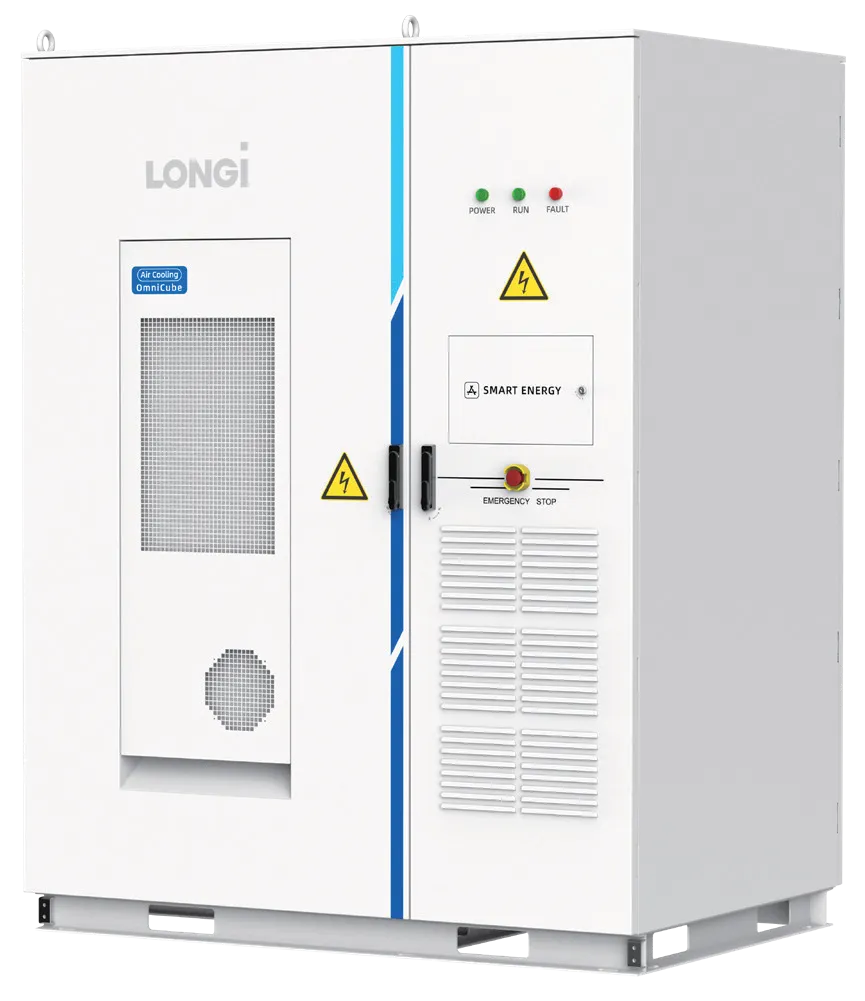 LONGi LONGi OmniCube A215
 Integrated DC flexibility system for commerce and industry: 215 kWh, 105 kW, optional STS for grid/island operation and direct PV connection via MPPT.
215 kWh · 105 kW
-
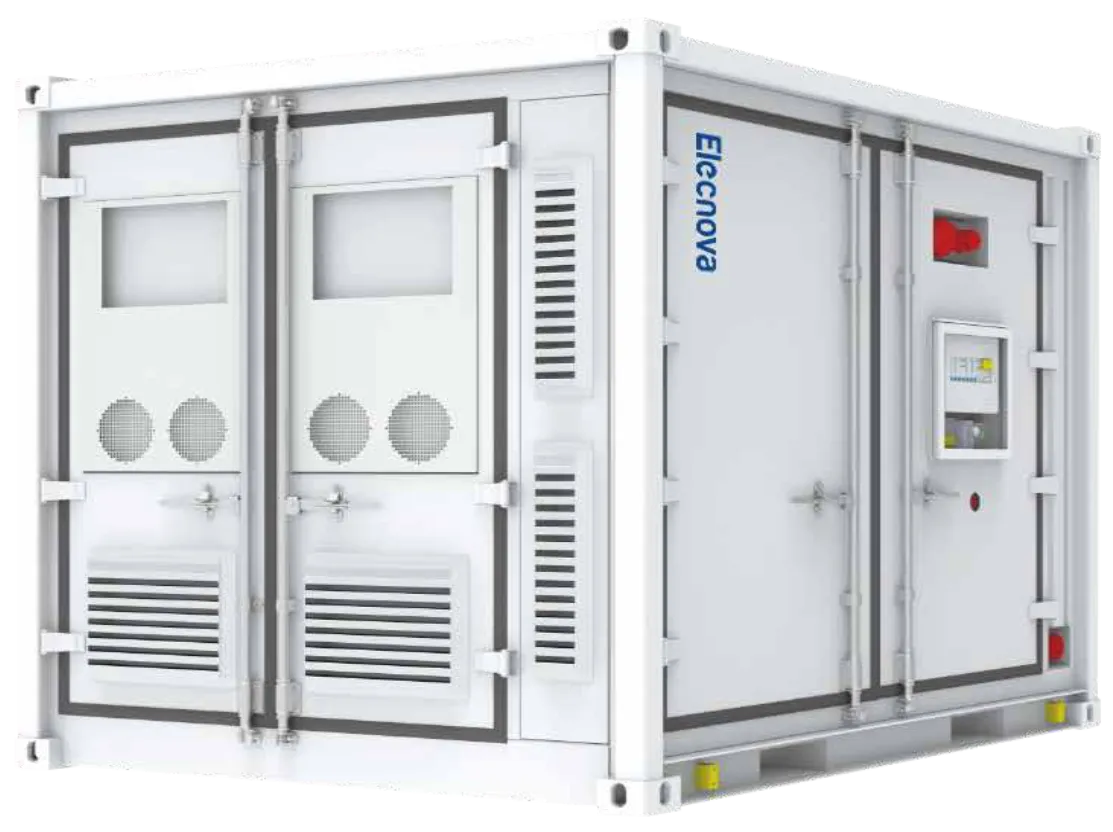 Elecnova Elecnova ECO-E10FT1044LP-2
 Highly integrated 10 ft storage container with integrated STS: 1,044 kWh, 500 kW, seamless on/off-grid transfer in under 20 ms, interfaces for diesel and PV.
1.04 MWh · 500 kW