

Why price per kWh is a poor way to compare storage
Two systems with the same capacity can differ fundamentally in power, cycle life, efficiency, controllability and backup capability — the kWh price hides all of it.
What this is about
The price per kilowatt-hour is the storage market’s favourite metric — and its most misleading one. It describes a purchase price per storage size, but says nothing about what the system delivers in operation.
What the kWh price hides
Two 200 kWh systems can differ by a factor of two in power — one shaves a 100 kW load peak, the other cannot. Add cycle life (5,500 vs. 8,000 cycles is a third more lifetime energy), round-trip efficiency (every lost percentage point costs money every single day), controllability (a closed system can do neither charging management nor dynamic tariffs), backup capability, and the question of who commissions and services the system.
The better comparison
A sound comparison calculates over the lifetime: usable energy across all cycles, valued against the actual applications from the load profile — self-consumption, peak shaving, e-mobility, backup reserve. Only then does it become clear which system is cheaper per kilowatt-hour actually used.
Comparison criteria
| Criterion | System comparison | Price per kWh only |
|---|---|---|
| Power (kW) | assessed | ignored |
| Cycles & lifetime | assessed | ignored |
| Efficiency (RTE) | assessed | ignored |
| EMS / Modbus / STS | assessed | ignored |
| Service & commissioning | assessed | ignored |
The Speichercampus verdict
The kWh price is only one metric. The decisive factors are power, EMS, STS, MPPT, Modbus, service, commissioning and the fit with the load profile.
Next step
Send us your load profile, electricity bill, PV data and project goal. Speichercampus assesses which storage capacity, power and product class make sense.
Button: Get your storage project reviewed
Matching products
-
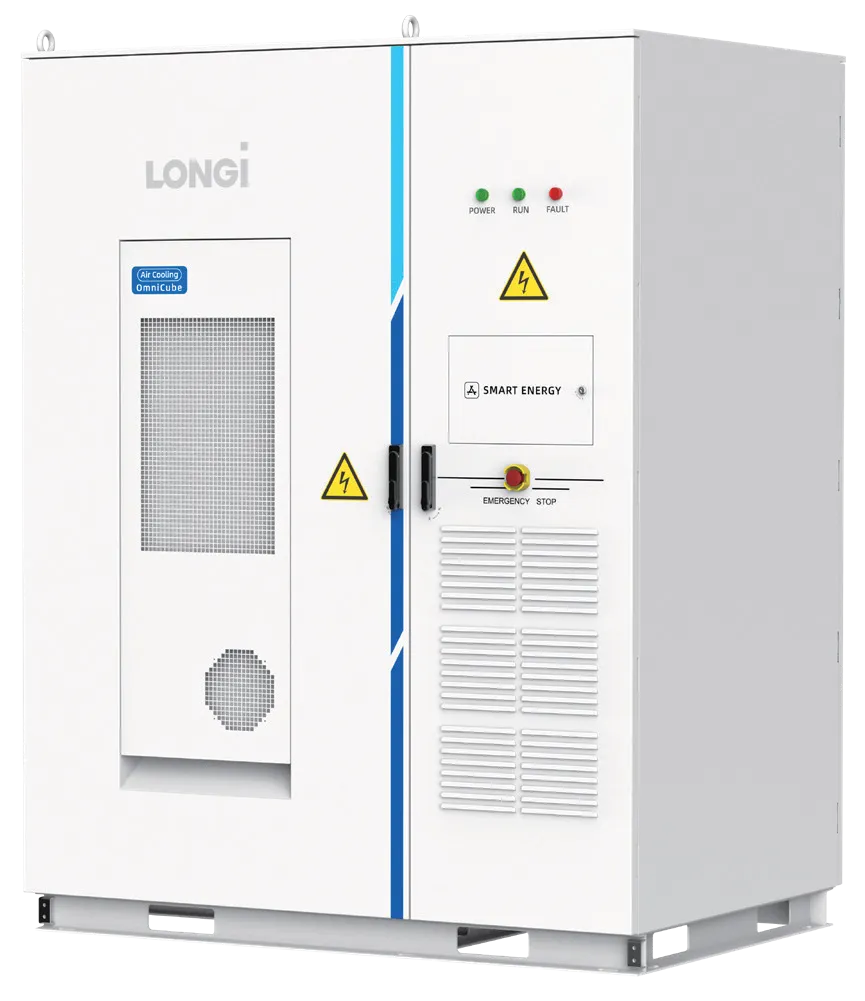 LONGi LONGi OmniCube A215
 Integrated DC flexibility system for commerce and industry: 215 kWh, 105 kW, optional STS for grid/island operation and direct PV connection via MPPT.
215 kWh · 105 kW