

Storage for EV charging stations
EV charging stations frequently fail at the grid connection. Storage can buffer charging power and make PV power usable.
EV charging stations frequently fail at the grid connection. Storage can buffer charging power and make PV power usable.
Why does this topic matter?
- verify charging power and simultaneity
- relieve the grid connection
- store PV power for vehicles
- couple charging management with the EMS
Matching products and solutions
The OmniCube A215 for fleets; Elecnova containers for charging hubs; PotisBank for megawatt charging.
What data do we need?
- 15-minute load profile
- electricity bill and grid bill
- PV capacity and PV generation
- grid connection capacity
- information on e-mobility
- critical loads for backup power
- installation site and photos
CTA
Next step: Send us your load profile, electricity bill, PV data and project goal. Speichercampus assesses which storage capacity, power and product class make sense.
Button: Get your storage project reviewed
Matching products
-
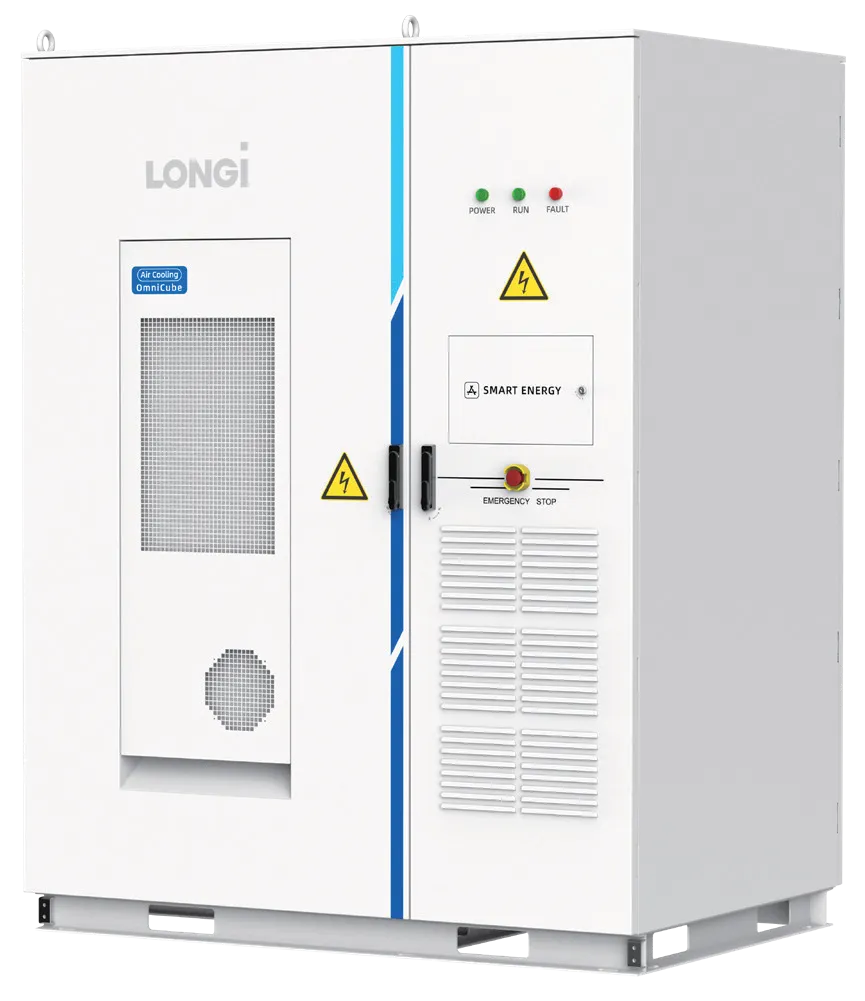 LONGi LONGi OmniCube A215
 Integrated DC flexibility system for commerce and industry: 215 kWh, 105 kW, optional STS for grid/island operation and direct PV connection via MPPT.
215 kWh · 105 kW
-
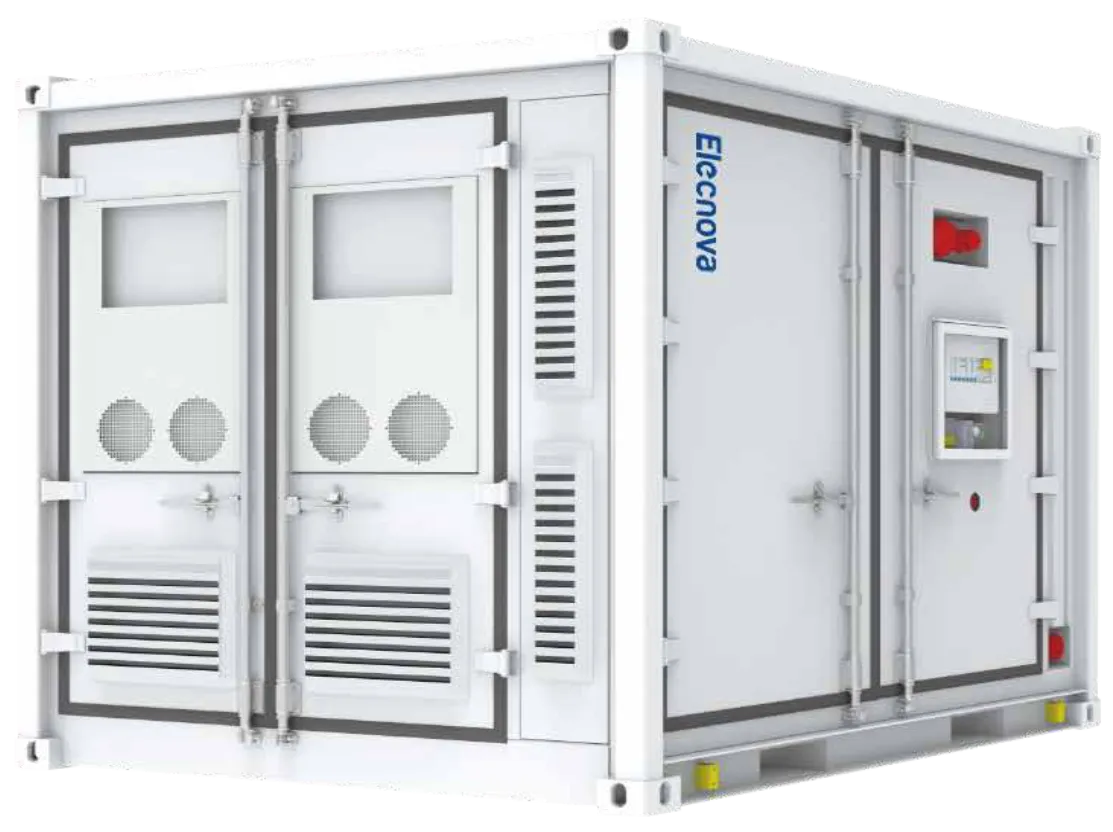 Elecnova Elecnova ECO-E10FT1044LP-2
 Highly integrated 10 ft storage container with integrated STS: 1,044 kWh, 500 kW, seamless on/off-grid transfer in under 20 ms, interfaces for diesel and PV.
1.04 MWh · 500 kW
-
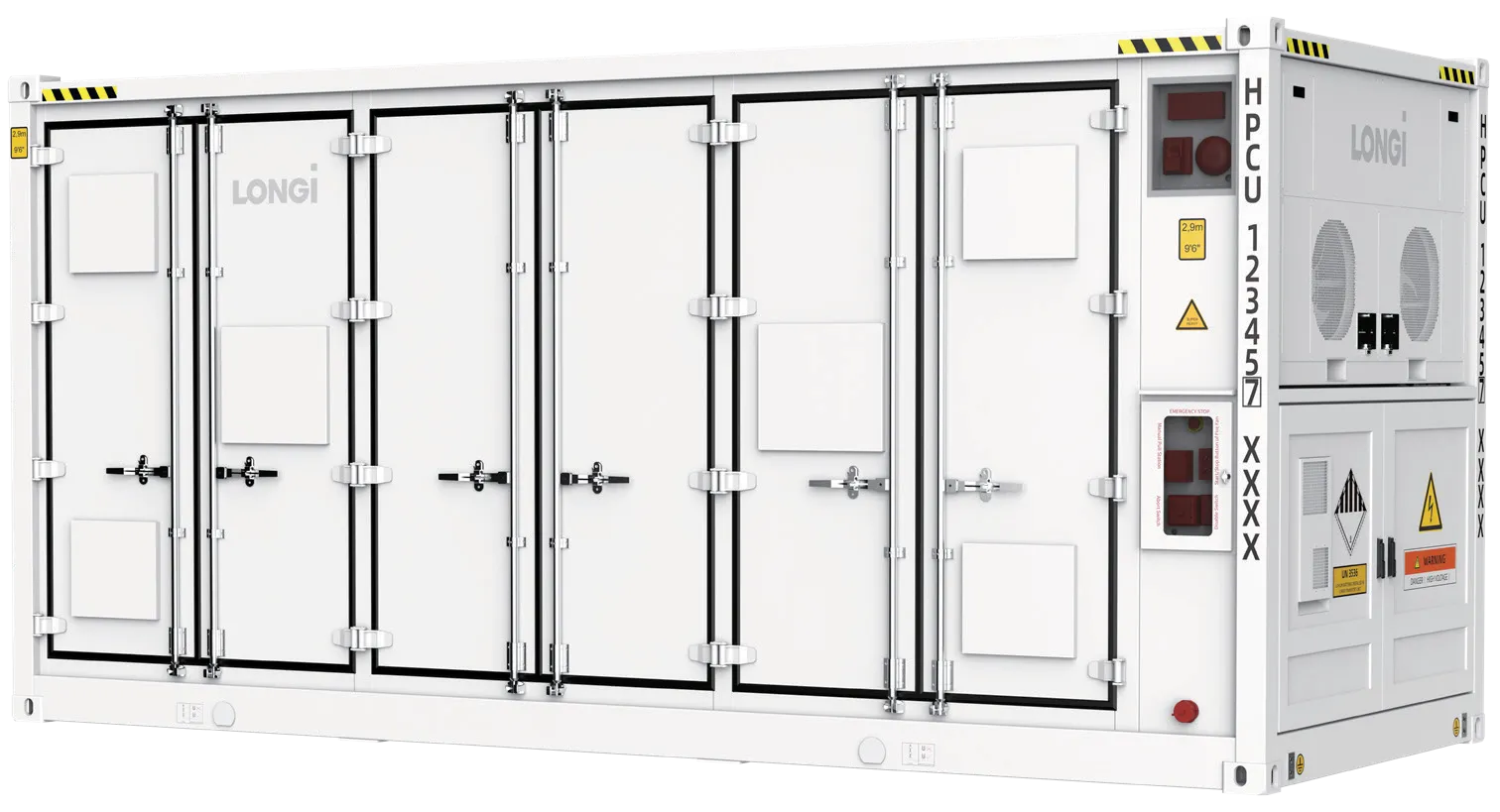 LONGi LONGi PotisBank L5.0
 Liquid-cooled utility-scale ESS in a 20 ft container: 5.0 MWh DC block with the ICCS safety system for grid-scale storage projects.
5 MWh