

Planning the grid connection for battery storage: process, documents, pitfalls
What the grid operator wants to know, which documents a connection request needs, and why the grid connection is usually the longest item in the project schedule.
Published:
In storage projects the product is usually discussed first: what capacity, which manufacturer, which cooling. Yet the item that ends up governing the schedule is almost always a different one — the grid connection.
This article describes what the grid operator wants to know, which documents a connection request needs, and where projects typically lose time.
The storage system is two things at once
A PV array feeds in. A production hall draws power. A battery storage system does both, depending on its operating state — and that makes registration more demanding than for a pure generating unit.
The grid operator therefore looks at both directions:
- As a load — how much power does the system draw at most while charging, and when?
- As a generator — how much power does it feed in at most while discharging, and how does it behave during grid disturbances?
On top of that comes the behaviour of the converter. The PCS determines how the system presents itself to the grid: how fast it regulates, how it responds to frequency and voltage deviations, and whether it can provide reactive power. The corresponding conformity certificates are part of the documentation.
The process in five steps
- Survey what exists. Existing connection capacity, metering point, existing generating units and the load profile in 15-minute values. Without a load profile you can neither size the system nor justify the connection request.
- Define the mode of operation. Should the system cap load peaks, store PV surplus, provide backup power or participate in markets? The mode of operation determines the registered capacity — and with it the effort the procedure takes.
- Submit the connection request. With a system diagram, datasheets and the planned active and reactive power.
- Grid operator response. Depending on size, with a grid impact assessment. The outcome is either approval, approval with conditions (a capacity limit, for instance), or a finding that grid reinforcement is required.
- Completion notice and commissioning by a licensed electrical contractor, together with the grid operator.
The point that saves projects: lowering the connection instead of raising it
The obvious assumption is that a storage system needs additional connection capacity. Frequently the opposite is true.
A system that caps load peaks reduces the maximum power drawn from the grid. That not only lowers the demand-based component of the grid fees — it can also avoid grid reinforcement that would otherwise have been necessary. This grid connection optimisation is the actual economic argument in many commercial projects, particularly where charging infrastructure is being added.
The catch: the grid operator will not rely on a declaration of intent. The limit must be technically assured and set out in the procedure — typically through the EMS with a hard power limit at the point of common coupling, not through an operating rule on paper.
Where time is lost
Four patterns that recur in practice:
- The connection request comes too late. It is submitted once the storage system has already been selected. If the grid operator then changes the permissible capacity, the sizing no longer fits.
- The load profile is missing. Many businesses only have monthly totals from their bill. Sizing requires 15-minute values, which the grid operator or supplier has to provide first.
- The installation site is unresolved. Cable routing, foundation, delivery access, clearances for fire protection and the question of whether the transformer has to be replaced as well — all of this affects cost and timing. See also installation site.
- Backup power is requested afterwards. Backup power and island mode require additional switchgear and clean grid separation. Retrofitting that is considerably more expensive than planning it in from the start.
What to have ready for a first discussion
- Load profile in 15-minute values, ideally covering twelve months
- Current electricity and grid bills
- Existing connection capacity and metering point number
- PV capacity and, where available, generation data
- Planned charging infrastructure
- Critical loads that should keep running during a grid outage
- Photos and dimensions of the possible installation site
With this information it becomes possible to judge which connection capacity is realistic, and whether the storage system relieves the connection rather than burdening it. Without it, any statement about sizing remains an estimate.
Frequently asked questions
Does a battery storage system always need grid operator approval?
As soon as it is operated on the public grid, yes. It is a generating unit and a load at the same time and must be registered with the grid operator. How elaborate the procedure is depends on the connection capacity and the voltage level — from a simplified notification through to a full connection request with a grid impact assessment.
How long does a grid connection procedure take?
That depends on the grid operator, the voltage level and whether capacity is still free in that section of the grid. In project planning the grid connection is regularly the longest item — considerably longer than delivery and installation. This is why the connection request belongs at the start of the project, not at the end.
Can I connect a storage system without grid reinforcement?
Often yes, if the system is controlled so that it does not exceed the existing connection. That is one of the key advantages of storage: it can cap load peaks and thereby even reduce the connection capacity required, rather than increasing it. This mode of operation must, however, be set out in the procedure and technically assured.
Which documents does the grid operator need?
Usually a system diagram showing the point of connection, datasheets for the storage system and inverter including conformity certificates, the planned active and reactive power, the mode of operation, and details of the metering point and any existing generating units. The larger the system, the more is added — up to and including grid calculations.
Matching products
-
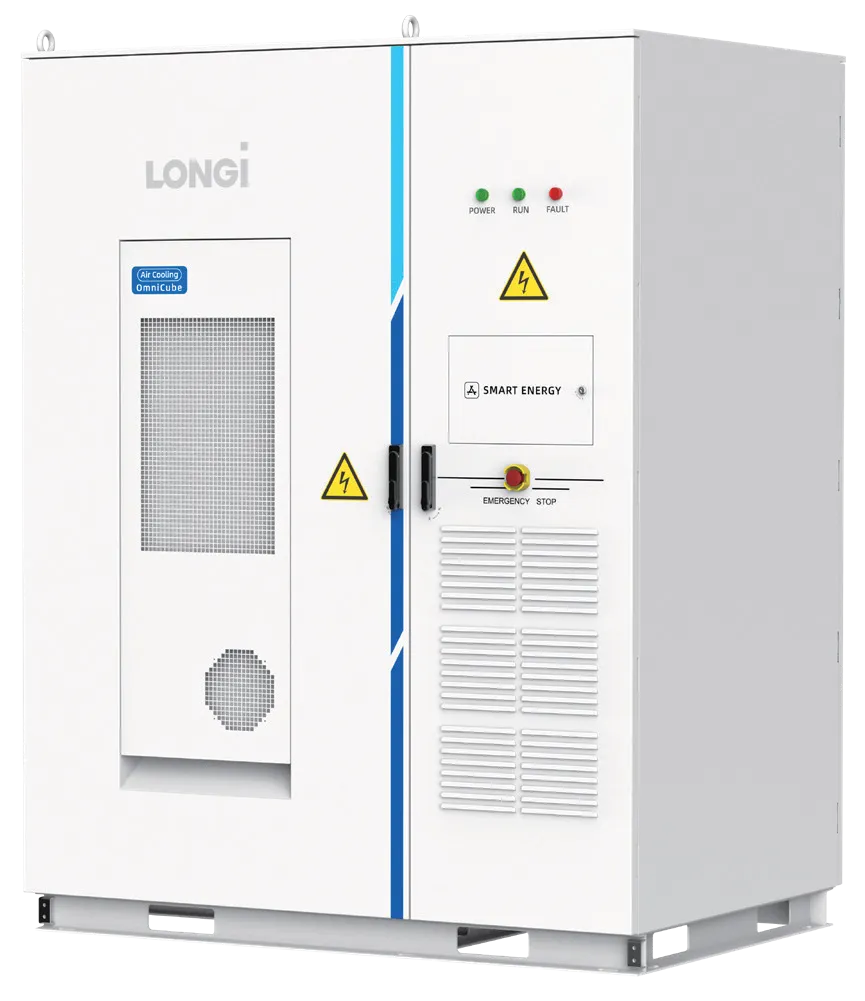 LONGi LONGi OmniCube A215
 Integrated DC flexibility system for commerce and industry: 215 kWh, 105 kW, optional STS for grid/island operation and direct PV connection via MPPT.
215 kWh · 105 kW
-
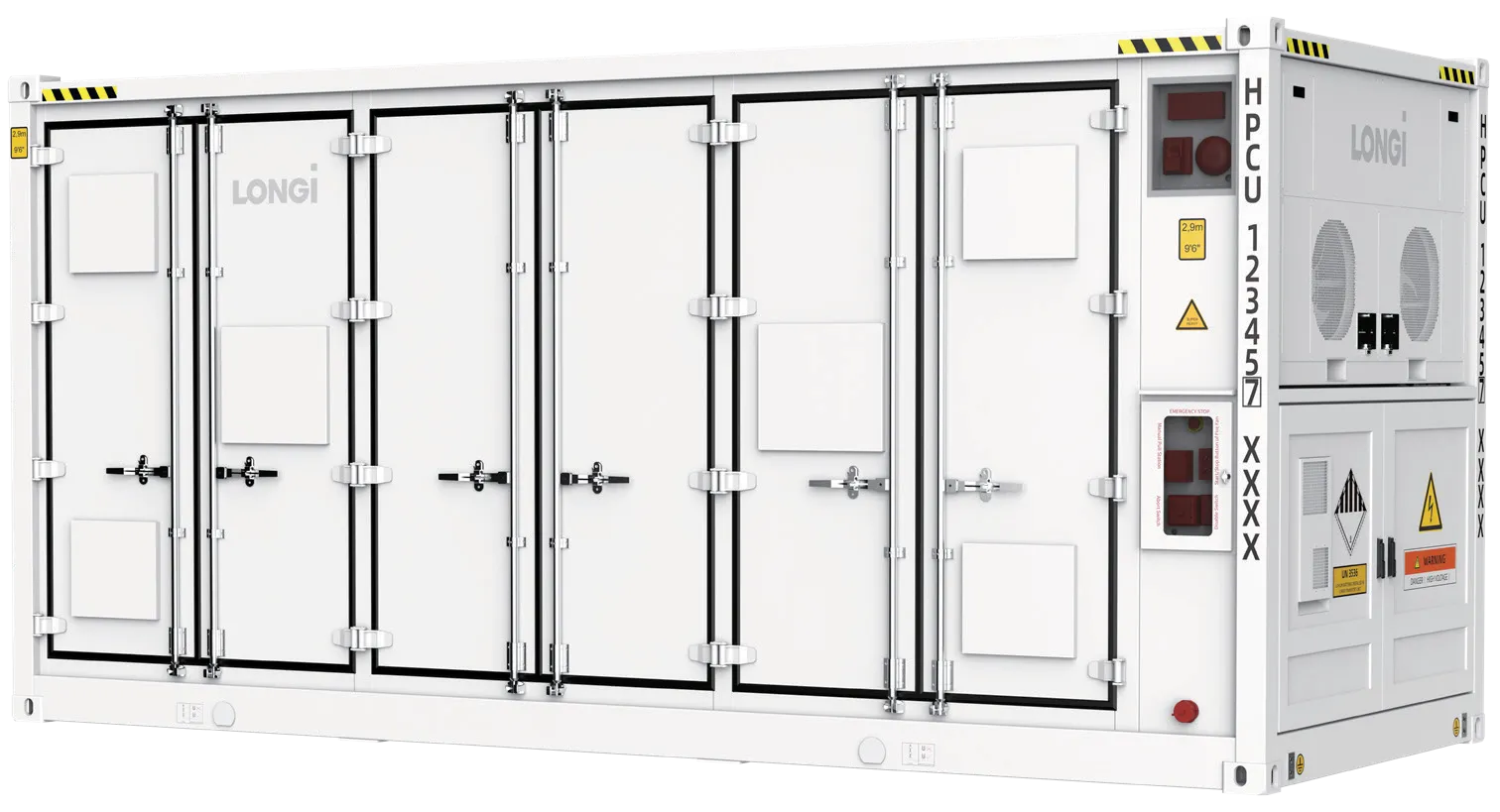 LONGi LONGi PotisBank L5.0
 Liquid-cooled utility-scale ESS in a 20 ft container: 5.0 MWh DC block with the ICCS safety system for grid-scale storage projects.
5 MWh
-
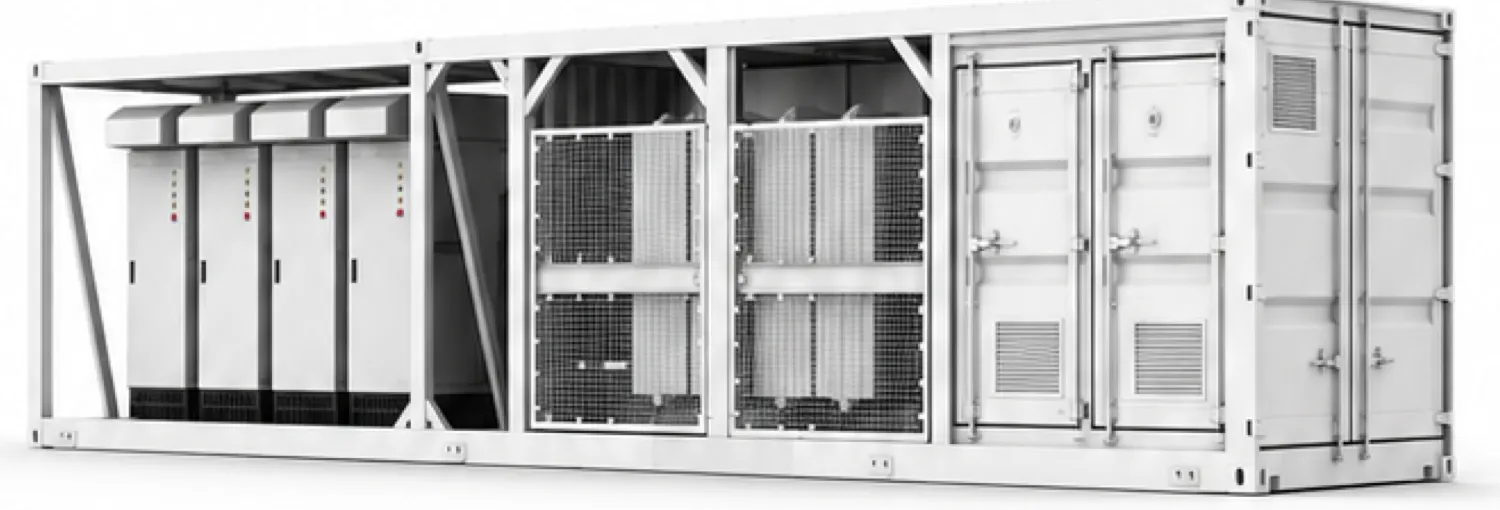 Sinexcel Sinexcel 5MW Converter and Transformer System
 Containerised turnkey solution with integrated inverter, booster and transformer: 5,000 kVA, 10 / 34.5 kV — for high-power grid and storage applications.
–