

Battery storage in balancing markets: how participation works
How battery storage provides balancing reserve: the products, prequalification, pooling through an aggregator, and how balancing fits alongside self-consumption.
Published:
A battery storage system that only optimises self-consumption sits idle most of the time. It charges when the PV array produces a surplus and discharges when the site needs power — in between, it waits. That unused time is precisely why storage is increasingly marketed in balancing markets as well.
This article describes how that works technically and organisationally, and where the limits are.
What balancing energy is
The grid must contain exactly as much energy at any moment as is drawn from it. If generation deviates from consumption, the grid frequency changes. To hold it at 50 hertz, transmission system operators procure capacity that can feed in or absorb additional power on demand — that is balancing energy.
The products are tiered by response speed:
- Frequency containment reserve (FCR) — acts immediately and automatically on frequency deviations. It is not called up by the grid operator but responds autonomously to the measured frequency. See frequency regulation.
- Automatic frequency restoration reserve (aFRR) — automatically relieves FCR and returns the frequency to its setpoint.
- Manual frequency restoration reserve (mFRR) — called up manually by the grid operator, relieving aFRR during longer disturbances.
The fast products are the interesting ones for batteries. A storage system can set its power almost without delay and in both directions — it can feed in as well as absorb. A thermal power plant cannot do that at the same speed.
Why a single system is not enough
Grid operator tenders require minimum bid sizes in the megawatt range. A commercial storage system of a few hundred kilowatt-hours does not reach that threshold alone.
The usual route is therefore an aggregator: it bundles many distributed systems into a virtual power plant and acts as a single market participant. For the owner of an individual system this means:
- The storage system connects to the aggregator’s control system — technically through the EMS, usually via Modbus or a comparable interface.
- The aggregator handles market access, bidding and settlement.
- It normally also runs prequalification for the pool.
Prequalification: proof before market entry
Before a system may offer balancing reserve, it must be prequalified with the transmission system operator. In essence, the check asks whether the system delivers what the bid promises:
- Can it provide the committed power within the required time?
- Can it sustain that power for the required duration? This is where usable energy matters — storage capacity and depth of discharge, not just storage power.
- Are metering and data transmission built so that a call-up is verifiable?
If marketing runs through a pool, the aggregator carries most of this procedure. The system owner supplies the technical data and ensures connectivity.
What this means for sizing
Balancing shifts the requirements towards power rather than capacity.
For pure self-consumption, what mainly counts is how much energy the system can absorb. For balancing reserve, what counts is how much power it can reliably hold for a defined time. A system sized optimally for self-consumption is rarely optimal for balancing — and vice versa.
Two points that are regularly underestimated in practice:
-
Cycling load. Balancing means frequent, small charge and discharge events. That stresses the cells differently from the calm daily rhythm of self-consumption. Achievable cycle life and degradation therefore belong in every assessment, as does round-trip efficiency — every cycle costs energy.
-
Reserved capacity. Anyone selling balancing capacity must hold it available in the agreed period. That share of the system is unavailable for peak shaving or PV surplus. Capacity cannot be sold twice.
Balancing, arbitrage, peak shaving: the distinction
Balancing energy is often lumped together with energy arbitrage. These are two different things:
- With balancing, availability is remunerated — the system is paid for being available, whether or not it is called up.
- With arbitrage, the price spread is used: charge when power is cheap, discharge when it is expensive. That requires a dynamic tariff or direct market access.
- Peak shaving is not about the power market at all but about your own grid bill: the system caps load peaks and reduces demand-based grid fees.
In practice these revenue streams are combined. Which combination holds up depends on your load profile, on the grid connection, and on how much capacity you must reserve for your own operation. That calculation cannot be made in general terms — it belongs in the specific project assessment.
How a project usually runs
- Record load profile and existing assets — 15-minute values over at least one year, PV generation, grid connection capacity.
- Prioritise revenue streams — reducing your own costs (peak shaving, self-consumption) usually carries more reliably than market participation. Balancing comes on top.
- Size the system — consider power and capacity separately, and plan the reservation for market participation.
- Select an aggregator — clarify interface, contract term and settlement model before the system is ordered. Not every EMS talks to every control system.
- Prequalification — together with the aggregator and the grid operator.
The fourth point is the one that most often comes too late. The ability to connect to a control system is a property of the storage system, not a setting — retrofitting it means paying twice.
Frequently asked questions
Which balancing products exist?
Balancing reserve is tiered by response speed: frequency containment reserve (FCR) stabilises grid frequency immediately and automatically, automatic frequency restoration reserve (aFRR) automatically relieves FCR, and manual frequency restoration reserve (mFRR) is called up manually by the grid operator. Battery storage is mainly of interest for FCR and aFRR because it can set its power very quickly and in both directions.
Can a single commercial storage system provide balancing reserve?
Usually not on its own. Tenders require minimum bid sizes in the megawatt range, which a single commercial system rarely reaches. The standard route is pooling: an aggregator bundles many systems into a virtual power plant and bids as one participant. Your storage system connects to the aggregator's control system through its EMS.
What is prequalification?
A verification procedure with the transmission system operator before a system may offer balancing reserve. It checks, among other things, the ability to deliver and sustain the committed power within the required time, the metering, and the connection to the control system. If the aggregator prequalifies the pool, it handles most of the procedure.
Can balancing be combined with self-consumption?
Yes, but not without limits. Selling balancing capacity means committing to hold a defined power over an agreed period — that share of the capacity is then unavailable for peak shaving or PV self-consumption. In practice the storage system is therefore split, or operated in separate time windows. Which split makes sense depends on your load profile.
Matching products
-
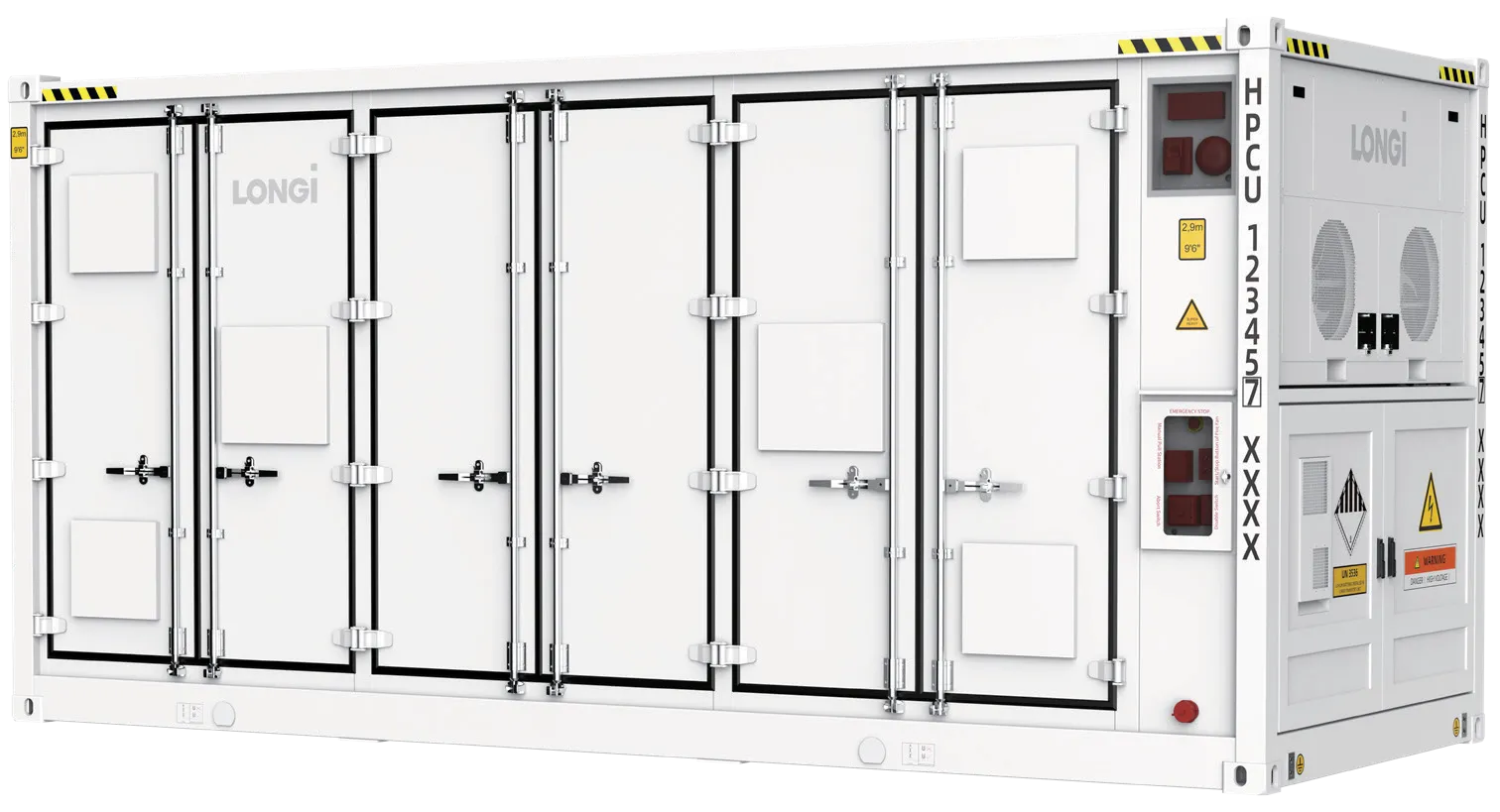 LONGi LONGi PotisBank L5.0
 Liquid-cooled utility-scale ESS in a 20 ft container: 5.0 MWh DC block with the ICCS safety system for grid-scale storage projects.
5 MWh
-
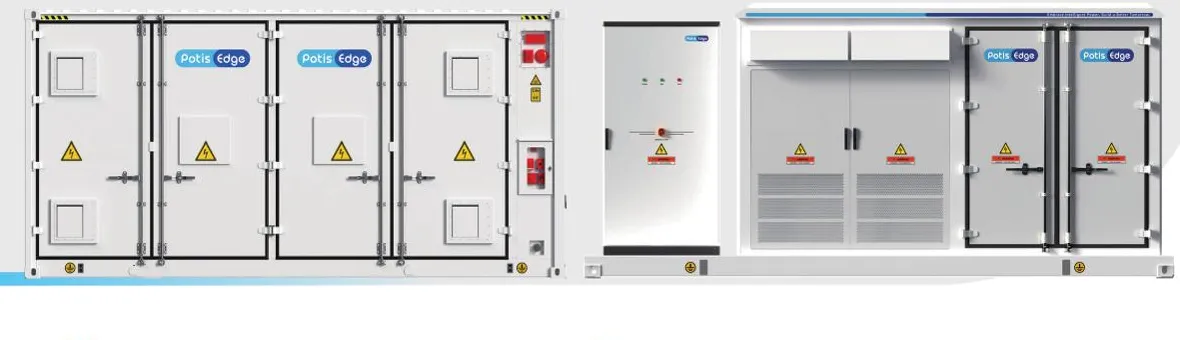 LONGi LONGi PotisBank L6.25
 AC-integrated utility-scale storage system in a 20 ft container: 6.25 MWh with integrated PCS and up to 1.72 MW output power (4-hour variant).
6.25 MWh · 1.72 MW
-
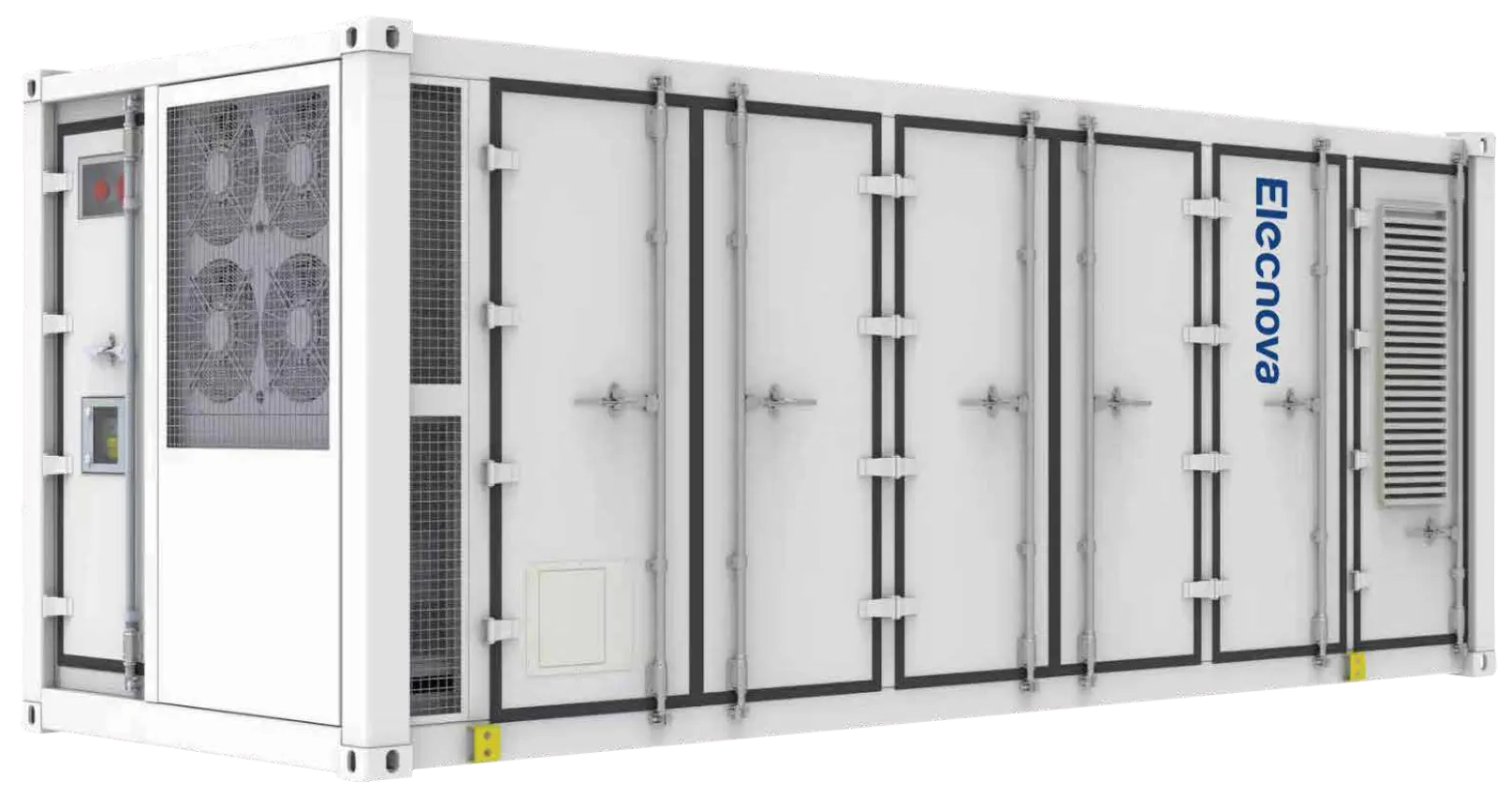 Elecnova Elecnova ECO-E20FT2170LP-2
 All-in-one 20 ft storage container with hybrid cooling: 2.17 MWh, 1,000 kW — for large commercial, industrial and utility-scale projects.
2.17 MWh · 1 MW