

Storage cabinet vs. container
Storage cabinets cover 100 to roughly 850 kWh compactly; container solutions start at about 1 MWh and bring their own requirements for foundations, fire protection and logistics.
What this is about
The form factor follows the project size — but not only. Footprint, permitting, fire-protection clearances, foundations and transport differ considerably between the cabinet and container classes.
Storage cabinet
Cabinet systems such as the OmniCube A215 (215 kWh), the Elecnova E261LP (261 kWh) or the HyperCube C&I II Max (836 kWh) stand on a few square metres, can be moved with a forklift or crane and fit many commercial sites — outdoors or indoors. Siting and connection are done in days, and the systems scale by parallel connection.
Container solution
From roughly 1 MWh — Elecnova E10FT (1,044 kWh), E20FT (2.17 MWh), PotisBank (3.7-6.25 MWh) — the container becomes the economical form factor. It brings integrated fire suppression, climate control and internal wiring, but demands a foundation, heavy-load access, crane placement, fire-protection clearances and early coordination with the grid operator and authorities.
Comparison criteria
| Criterion | Storage cabinet | Container solution |
|---|---|---|
| Typical size | 100-850 kWh | from ~1 MWh |
| Footprint & foundation | small, often no special foundation | foundation, clearances, access |
| Transport & siting | forklift/crane, fast | heavy transport, crane |
| Fire protection | system level (e.g. aerosol) | integrated suppression, clearance rules |
| Expansion | parallel cabinets | further containers / blocks |
The Speichercampus verdict
Storage cabinets fit many commercial and agricultural projects. Containers are the right choice for industry, charging hubs and MWh projects. The form factor follows energy demand, space and permitting — not the catalogue.
Next step
Send us your load profile, electricity bill, PV data and project goal. Speichercampus assesses which storage capacity, power and product class make sense.
Button: Get your storage project reviewed
Matching products
-
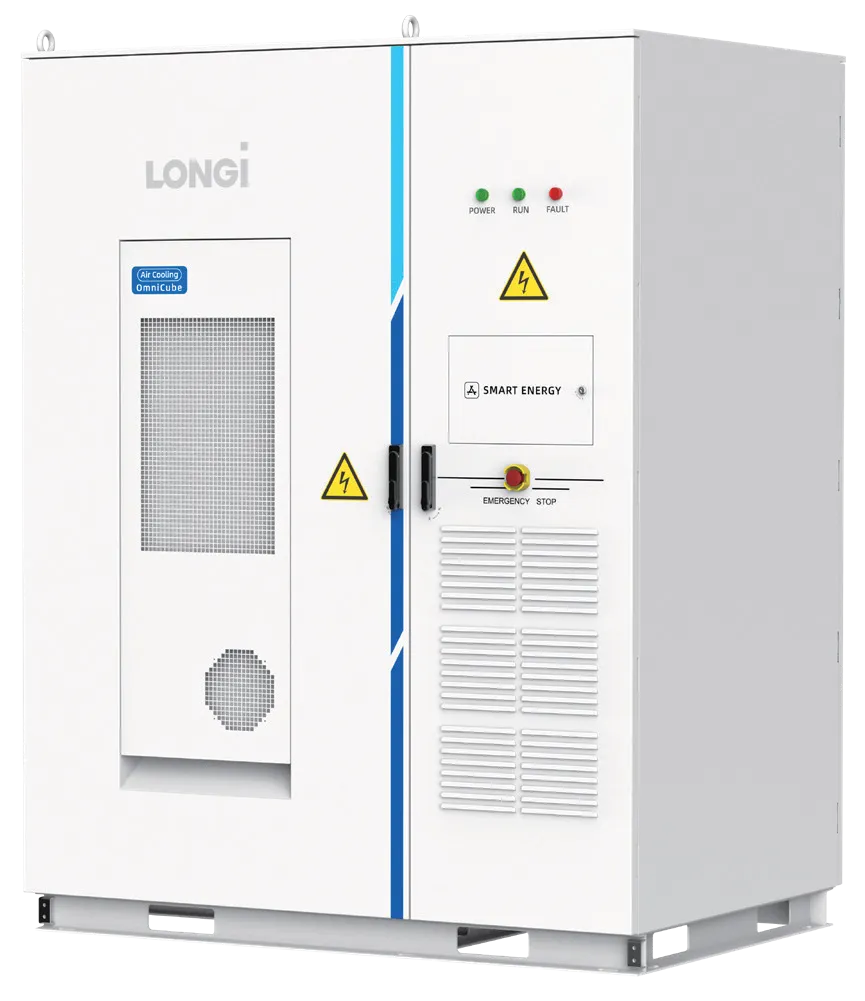 LONGi LONGi OmniCube A215
 Integrated DC flexibility system for commerce and industry: 215 kWh, 105 kW, optional STS for grid/island operation and direct PV connection via MPPT.
215 kWh · 105 kW
-
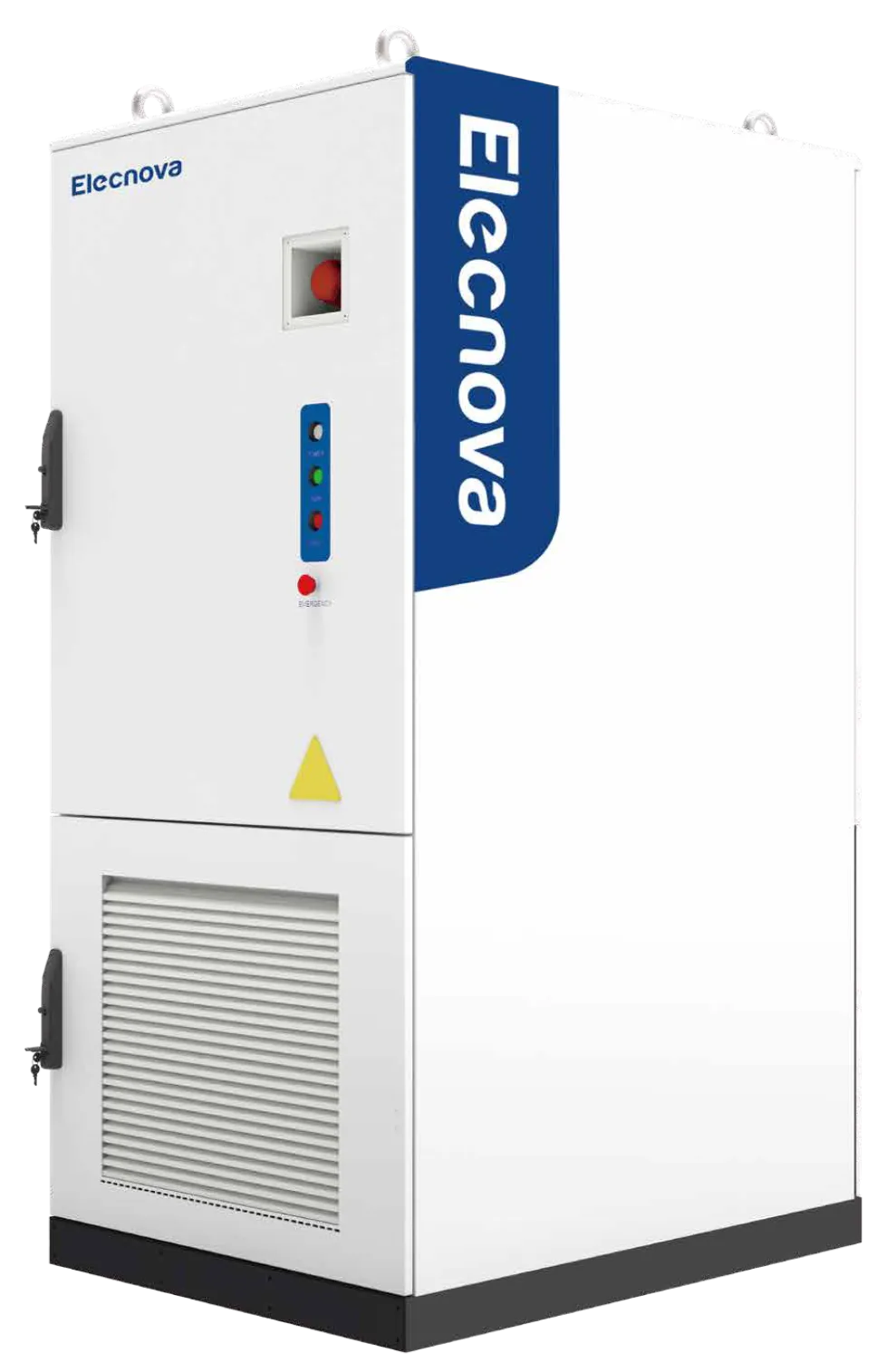 Elecnova Elecnova ECO-E261LP-2A
 All-in-one liquid-cooled storage cabinet: 261 kWh, 125 kW on a 1.4 m² footprint, with a cell temperature spread below 3 °C.
261 kWh · 125 kW
-
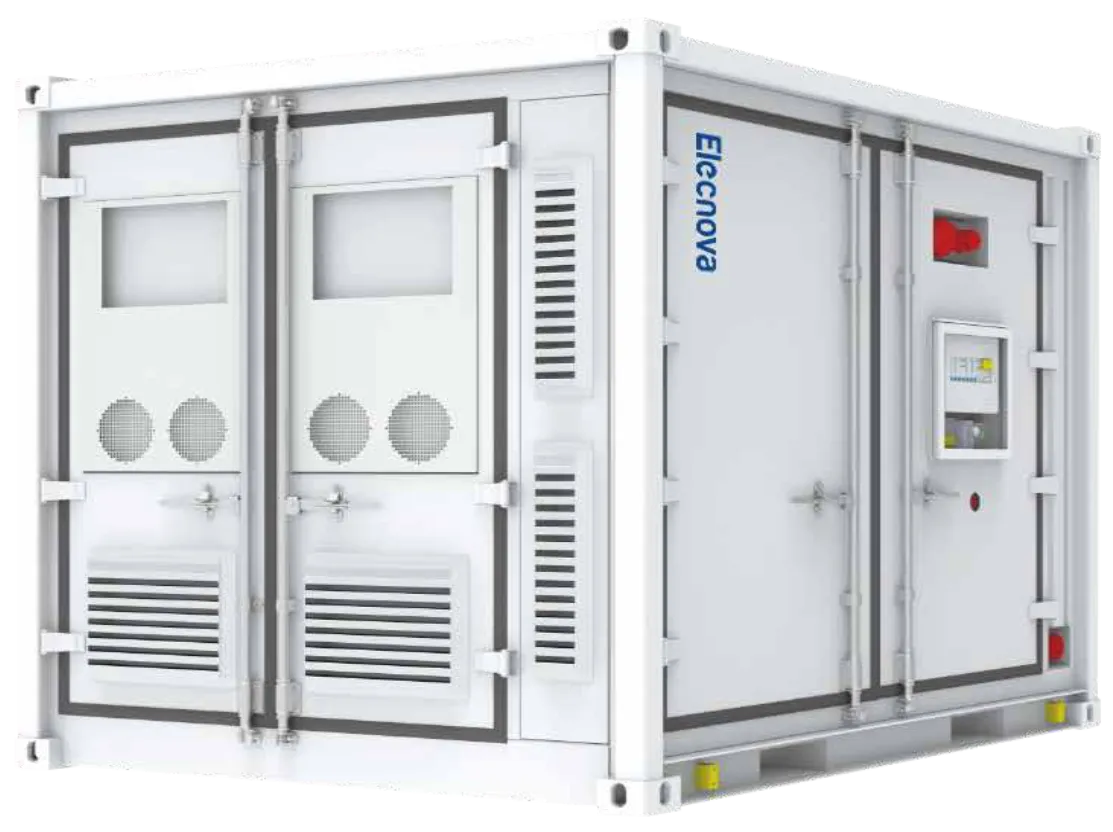 Elecnova Elecnova ECO-E10FT1044LP-2
 Highly integrated 10 ft storage container with integrated STS: 1,044 kWh, 500 kW, seamless on/off-grid transfer in under 20 ms, interfaces for diesel and PV.
1.04 MWh · 500 kW
-
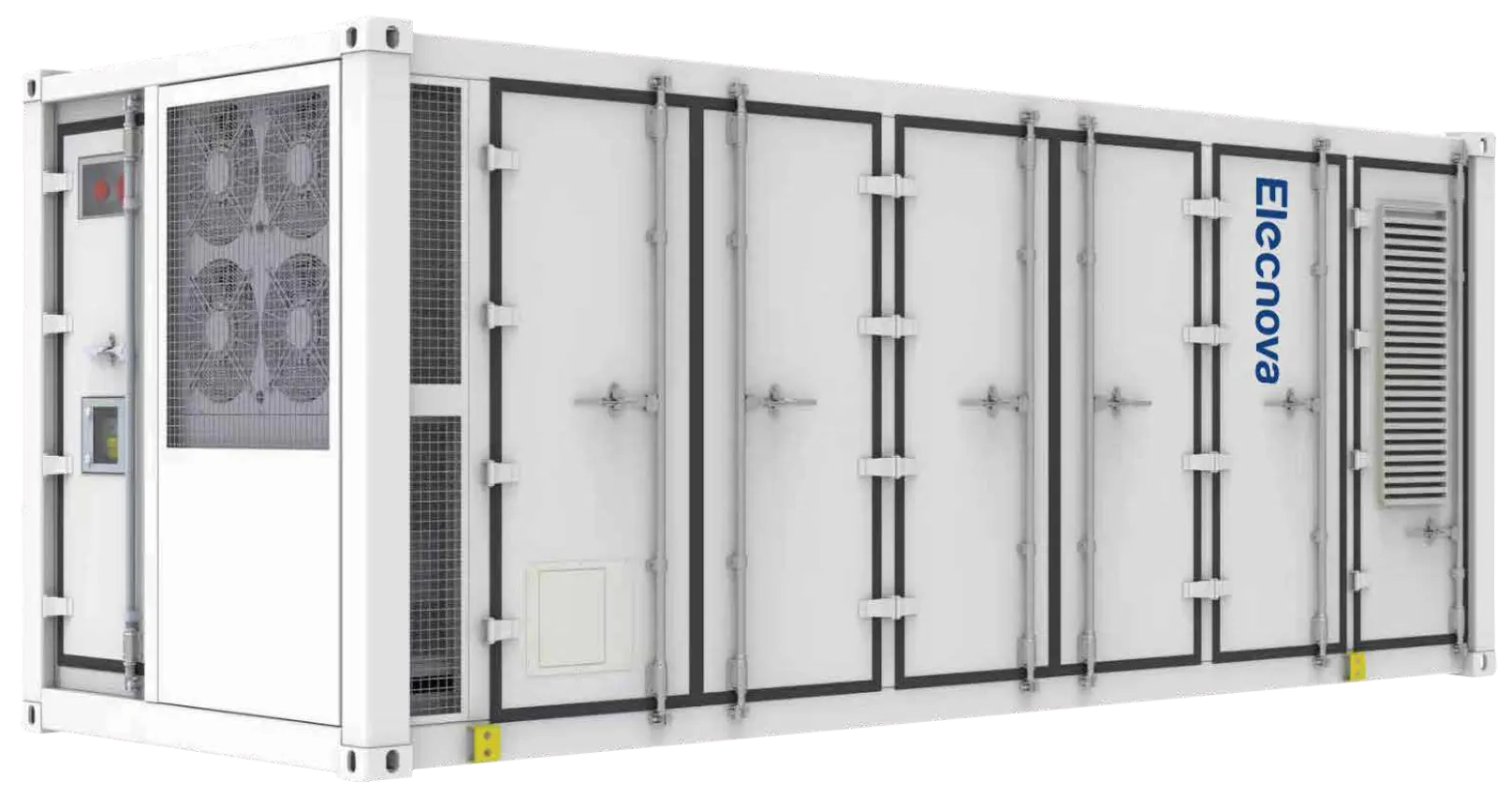 Elecnova Elecnova ECO-E20FT2170LP-2
 All-in-one 20 ft storage container with hybrid cooling: 2.17 MWh, 1,000 kW — for large commercial, industrial and utility-scale projects.
2.17 MWh · 1 MW